
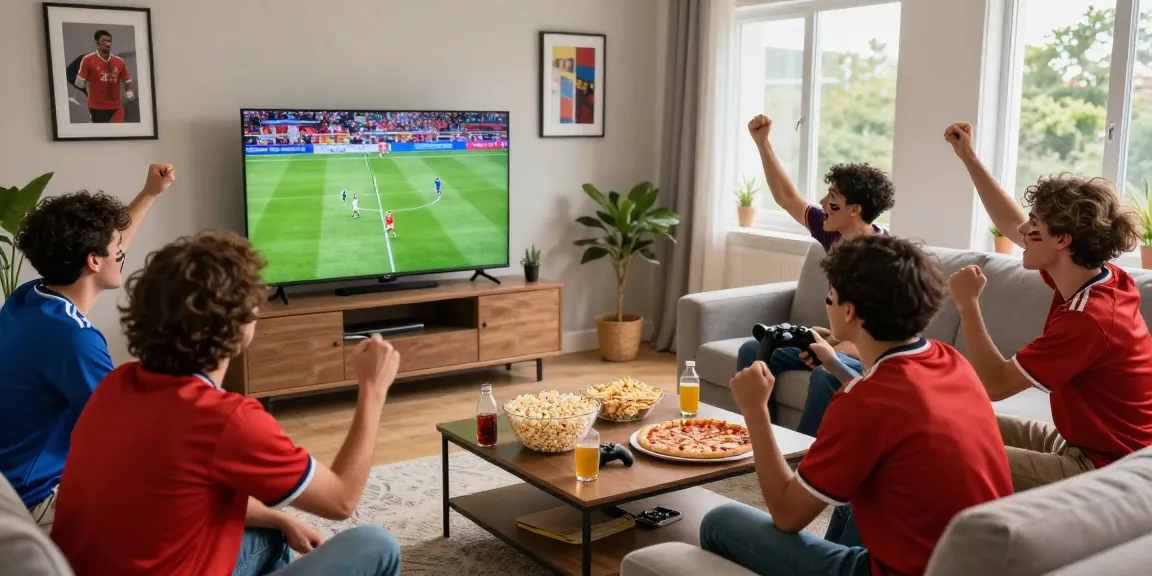
The Evolution of Live Football Watching Experience
The experience of watching football has undergone a remarkable transformation over the years, evolving from traditional broadcast methods to modern live streaming platforms that provide unprecedented access and engagement. As we delve into the current landscape, it is essential to understand how these developments have shaped football viewing, especially in light of the ongoing demand for immediate and flexible access to matches. When exploring options, اضغط هنا للمشاهدة to see how this evolution has manifested in today’s sports consumption trends.
Historical Perspective on Football Viewership
Historically, football viewership began with simple radio broadcasts, which transitioned into black-and-white television. Fans would gather in homes or public venues to enjoy the matches, often depending on a limited number of games being televised. The introduction of color television in the 1970s significantly enriched the viewing experience, and the 1990s brought about the advent of satellite and cable television, allowing a wider variety of matches to be aired, thus expanding the audience base.
Technological Advances Transforming Viewing
With the internet revolution of the early 2000s, online streaming began to emerge, changing the way fans could consume sports. Platforms like YouTube and later specialized sports streaming services introduced a new dynamic, allowing viewers to watch highlights and live matches from their devices. This shift not only expanded accessibility but also heightened competition among broadcasters to offer more engaging content, including instant replays and multi-camera angles.
Shifts in Viewer Engagement Strategies
As broadcasting technology advanced, so did strategies to engage viewers. Interactive features such as live polls, social media commentary, and quizzes during match breaks have become commonplace. Broadcasters now actively leverage data analytics to tailor content to viewer preferences, enhancing engagement and creating a more immersive experience.
Understanding Audience Preferences in 2026
As we step into 2026, understanding the evolving preferences of football audiences is critical for broadcasters and marketers alike. The demographic landscape of viewers is shifting, impacted by factors such as technology affinity, cultural influences, and lifestyle changes.
Demographic Shifts and Their Impact
Today’s football viewership is increasingly diverse. Younger demographics, especially Generation Z and Millennials, prefer on-demand content over traditional live broadcasts. This shift compels broadcasters to adapt their strategies to incorporate mobile and streaming services tailored to these audiences’ preferences.
Key Factors Influencing Viewing Choices
Several factors influence viewers’ choices when it comes to watching football. These include the accessibility of platforms, the quality of the streaming service, and the availability of exclusive content, like behind-the-scenes footage or player interviews. Personalization of content has also become a significant factor, as fans seek tailored experiences that resonate with their interests.
Emerging Trends in Sports Consumption
In 2026, we will likely see the rise of augmented reality (AR) and virtual reality (VR) technologies enhancing the football watching experience. Fans will increasingly engage through immersive experiences that allow them to feel present at the game, regardless of their physical location. Additionally, subscription-based models will become more prevalent, providing tailored content and exclusive access to matches and player interactions.
Innovations in Broadcasting Technologies
The technological landscape of sports broadcasting is in constant evolution, with innovations continuously reshaping the way fans interact with live sports. The integration of advanced technologies will play a pivotal role in the future of football broadcasting.
Augmented Reality Enhancements for Fans
Augmented reality is set to redefine the way fans experience football matches. By overlaying digital information onto the physical world, AR applications can provide real-time statistics, player information, and even tactical insights during live games. This level of interaction not only enhances understanding but also keeps viewers engaged throughout the match.
Interactive Features and Live Stats Integration
Interactive features are becoming essential for broadcasters aiming to attract younger audiences. Live stats integration allows fans to follow player performances and match developments in real time, creating a more engaging viewing experience. Features like multi-angle views and camera panning enhance this interactivity, enabling fans to customize their viewing preferences.
Mobile Streaming and Its Rise
The rise of mobile streaming has been one of the most significant trends in sports consumption. With the proliferation of smartphones, fans can now watch football matches from anywhere in the world. Mobile-first strategies are essential as they cater to the growing demand for flexibility and convenience in viewing.
Best Practices for Sports Content Engagement
Engagement goes beyond merely broadcasting live matches; it involves creating a community of passionate football fans. Successful strategies to enhance viewer interaction can significantly increase loyalty and viewership.
Creating Community Around Live Matches
Building a community around live football matches is invaluable. Broadcasters and online platforms can facilitate this through fan forums, live discussions, and community events, allowing fans to share their experiences and opinions in real time, fostering a sense of belonging.
Leveraging Social Media for Real-Time Interaction
Social media plays a crucial role in how fans engage with live sports. Platforms like Twitter and Instagram provide real-time updates, allowing fans to share thoughts, highlights, and reactions during matches. This instant interaction not only enriches the viewing experience but also extends the reach of broadcasts beyond traditional audiences.
Types of Content that Drive Engagement
Content that captures the essence of the sport tends to drive higher engagement. This includes behind-the-scenes content, player interviews, and interactive polls. Engaging storytelling that highlights player journeys and team histories can also resonate deeply with fans, creating emotional connections that enhance viewer loyalty.
Future Directions for Football Broadcasting
The landscape of football broadcasting is poised for further evolution as technology advances and audience preferences shift. Understanding these future directions is vital for anyone looking to succeed in the sports broadcasting industry.
Predicted Trends for 2026 and Beyond
Looking ahead, the trends indicate a significant move towards decentralization in content distribution. We may see more local clubs establishing their streaming services, allowing fans to connect more closely with their teams. Additionally, the rise of blockchain technology could revolutionize ticket sales and viewing rights, providing fans with unique experiences while ensuring authenticity.
AI and Data Analytics in Sports
Artificial intelligence and data analytics will increasingly influence how content is created and distributed. By analyzing viewer behavior, broadcasters can deliver personalized content, such as tailored match highlights or custom notifications about games featuring favorite teams or players. This data-driven approach will enhance user engagement and satisfaction.
Challenges Facing Broadcasters and Viewers
Despite the advancements, challenges remain. Broadcasters must navigate the complexities of content rights and licensing in an increasingly competitive landscape. For viewers, finding quality and reliable streaming options can be a hurdle, especially with varying internet speeds and access availability across regions.
What Are the Latest Trends in Live Sports Streaming?
Latest trends reveal a growing emphasis on personalized experiences in sports streaming, with technologies like machine learning being employed to predict viewer preferences. Additionally, the integration of user-generated content into broadcasts, where fans can contribute clips or insights, is gaining traction.
How Can Brands Leverage Football Events for Engagement?
Brands can leverage football events by creating unique experiences that resonate with fans, such as exclusive merchandise, interactive contests, or immersive advertising during matches. Engaging with fans through multiple channels, including social media, can foster a deeper connection and brand loyalty.
What Role Will Technology Play in Future Football Matches?
Technology will play an integral role in future football matches, not only through live broadcasts but also in improving gameplay. Innovations such as VAR (Video Assistant Referee) systems enhance officiating accuracy, while fan engagement technologies will create more interactive experiences around the matches.
How Can Fans Enhance Their Viewing Experience?
Fans can enhance their viewing experience by utilizing the latest streaming platforms that offer interactive features. Engaging with communities and using social media to share their experiences can also enrich their enjoyment of the game. Investing in higher-quality streaming services and technology can amplify the overall experience, making it more immersive.
What Are the Most Popular Apps for Watching Live Sports?
In 2026, various apps dominate the sports streaming landscape, including established platforms like ESPN+, DAZN, and emerging regional services that cater specifically to local leagues and international competitions. These platforms prioritize user experience, offering features like live scores and performance analytics to captivate audiences.