Understanding CIKA4D and Its Role in Indoor Agriculture
CIKA4D is revolutionizing the landscape of indoor agriculture by providing cutting-edge design and construction solutions tailored for modern farming practices. As a key player in this dynamic sector, CIKA4D merges innovative technology with sustainable practices to create optimal growing environments for indoor farms, vertical farms, and controlled horticultural facilities. By prioritizing efficiency and effectiveness in design, CIKA4D ensures that each project meets the unique operational demands of today’s agricultural challenges. If you’re looking for extensive insights into these transformative practices, you can explore cika4d for solutions that lead the way in indoor agriculture.
What is CIKA4D?
CIKA4D stands at the forefront of indoor agriculture, specializing in the design and construction of facilities that optimize crop growth in controlled environments. This multi-faceted approach involves the integration of advanced technologies such as hydroponics, aquaponics, and aeroponics into tailored solutions that cater to a variety of crops. By embracing modern methodologies, CIKA4D aims to enhance productivity, reduce resource consumption, and improve sustainability in farming practices.
The Importance of Design in Indoor Agriculture
The design of an indoor agricultural facility is critical to its success. Factors such as layout, lighting, ventilation, and climate control play pivotal roles in influencing crop yields and resource efficiency. A well-designed indoor farm not only maximizes space but also ensures that plants receive the necessary light and air circulation to thrive. This comprehensive approach to design can lead to higher-quality produce and more consistent crop outputs.
Overview of Indoor Agriculture Technologies
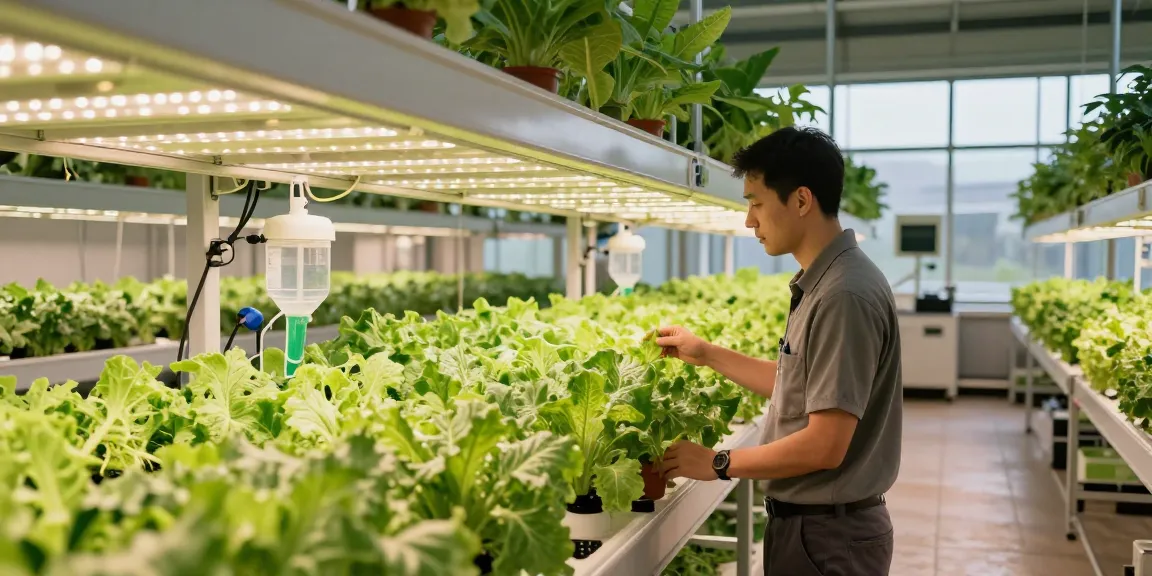
Indoor agriculture employs an array of technologies that are crucial for maintaining the health and productivity of crops. These include advanced irrigation systems, automated climate control tools, and smart sensors that monitor plant health and environmental conditions. Innovations in LED lighting and nutrient delivery systems further enhance the ability of indoor farms to produce high-quality crops year-round, regardless of external weather conditions.
Key Features of CIKA4D Solutions
Innovative Design Elements for Grow Rooms
Innovative design elements are vital for maximizing the efficiency of grow rooms. CIKA4D incorporates versatile designs that allow for flexible growing configurations, efficiently utilizing vertical space to increase overall production capacity. Features like modular grow racks and customizable shelving systems enable producers to tailor their setups according to specific crop requirements. Furthermore, the integration of passive design principles reduces energy costs, contributing to a more sustainable operation.
Energy Efficiency in Indoor Farming
Energy efficiency is a cornerstone of CIKA4D’s design philosophy. By utilizing energy-efficient LED grow lights and advanced HVAC systems, facilities can significantly lower energy consumption while maintaining optimal growing conditions. Implementing renewable energy sources, such as solar panels, can also enhance sustainability and reduce operational costs over time. CIKA4D designs facilities with these efficiencies in mind, ensuring that clients can achieve their production goals without compromising on energy use.
Impact of Climate Control Systems on Crop Yield
Climate control systems are integral to the success of indoor agriculture. CIKA4D employs state-of-the-art climate control technologies that regulate temperature, humidity, and CO2 levels, creating the ideal environment for plant growth. These systems not only enhance crop yields but also ensure that the plants are healthy and resilient to pests and diseases. By maintaining precise control over environmental factors, indoor farms can achieve year-round production, independent of seasonal fluctuations.
Implementation Strategies for CIKA4D Solutions
Step-by-Step Process for Setting Up Indoor Facilities
Setting up an indoor agriculture facility with CIKA4D involves a structured approach designed to streamline the implementation process. Firstly, a detailed consultation assesses the specific needs and goals of the client. Next, CIKA4D’s experts create a tailored design plan that includes layout, technology integration, and resource management strategies. The implementation phase follows, where construction and installation occur, culminating with the facility’s operational readiness. Post-installation support ensures that clients can optimize their facilities effectively.
Common Challenges and How to Overcome Them
Indoor agriculture presents several challenges, including initial setup costs, technology integration, and managing environmental variables. CIKA4D addresses these challenges by offering financial and technical guidance throughout the project lifecycle. By providing access to resources and ongoing support, CIKA4D helps clients navigate common pitfalls while maximizing their investment in indoor farm technology.
Real-World Case Studies of Successful Projects
Case studies of successful CIKA4D projects highlight the effectiveness of their tailored solutions. For instance, a vertical farm implemented in an urban setting demonstrated the capacity to produce fresh vegetables year-round using minimal space and resources. The integration of hydroponic systems and advanced climate control resulted in higher yields and reduced water use compared to traditional farming methods. Such examples underscore the potential for indoor agriculture to meet growing food demands sustainably.
Future Trends in Indoor Agriculture for 2026
Emerging Technologies Shaping the Industry
As we look ahead to 2026, several emerging technologies are set to reshape the landscape of indoor agriculture. Innovations in artificial intelligence (AI) and machine learning will enable more precise monitoring and management of crops, enhancing decision-making processes. Robotics will also play a significant role in automating various tasks, from planting to harvesting, thereby increasing efficiency and reducing labor costs.
Sustainability and Environmental Considerations
Sustainability will continue to be a major focus in indoor agriculture. CIKA4D is committed to designing facilities that minimize environmental impacts through sustainable practices, such as water recycling and waste reduction. The integration of biophilic design elements will not only enhance the aesthetics of facilities but will also contribute to the overall well-being of both plants and people involved in the farming process.
Predictions for Market Growth and Opportunities
The indoor agriculture market is predicted to experience significant growth in the coming years, driven by increased consumer demand for fresh, locally-sourced produce. Opportunities for new entrants in the market will arise as technology becomes more accessible and cost-effective. CIKA4D is poised to support businesses looking to capitalize on these expanding market opportunities through comprehensive design and construction solutions.
Getting Started with CIKA4D
Accessing CIKA4D Applications and Resources
CIKA4D provides a range of applications and resources tailored to assist clients in optimizing their indoor agriculture operations. From user-friendly software for facility management to detailed guides on best practices, these resources empower users to make informed decisions about their agricultural strategies. Access to CIKA4D’s applications streamlines the management process, enabling users to monitor and adjust their operations efficiently.
Frequently Asked Questions about CIKA4D
Potential clients often have various questions when considering CIKA4D for their indoor agriculture needs. Common inquiries revolve around the types of crops suited for indoor farming, the sustainability of CIKA4D practices, and the technical support available during and after implementation. Addressing these questions helps clients gain confidence in their decision to partner with CIKA4D.
Contacting CIKA4D for Consultation and Support
For those interested in exploring the possibilities of indoor agriculture, reaching out to CIKA4D for consultation is a crucial next step. Their team of experts is available to provide tailored advice and support throughout the project lifecycle, ensuring that each facility is designed to meet specific client needs. By engaging with CIKA4D, agricultural producers can embark on a successful journey in indoor farming.
What are the benefits of using CIKA4D for indoor agriculture?
The benefits of partnering with CIKA4D include access to innovative technologies, tailored design solutions, and expert support throughout the setup and operational phases. By leveraging CIKA4D’s expertise, businesses can enhance productivity, sustainability, and profitability in their indoor agriculture ventures.
How does CIKA4D ensure energy efficiency?
CIKA4D focuses on energy efficiency by integrating energy-saving technologies, such as LED lighting and advanced climate control systems, into their designs. This careful consideration of energy use helps indoor farms operate more sustainably while reducing overall costs.
What technologies are integrated into CIKA4D solutions?
CIKA4D integrates various technologies into their solutions, including climate control systems, automated irrigation, and smart monitoring systems. These tools enable precise management of growing conditions, ensuring optimal plant health and productivity.
How can I get support for my CIKA4D project?
Support for CIKA4D projects is readily available through their dedicated team of consultants. Clients can reach out for technical assistance, advice on best practices, and resources designed to enhance the efficiency of their indoor farming operations.
What are the costs associated with implementing CIKA4D solutions?
The costs of implementing CIKA4D solutions can vary depending on the scale and complexity of the project. A detailed consultation can provide a clearer understanding of the investment required, allowing clients to prepare financially while gaining insights into the potential return on investment from enhanced agricultural output.